
How to Choose a Tube Laser Cutting Machine: Engineer’s 9-Step Framework
How to Choose a Tube Laser Cutting Machine: Engineer’s 9-Step Framework
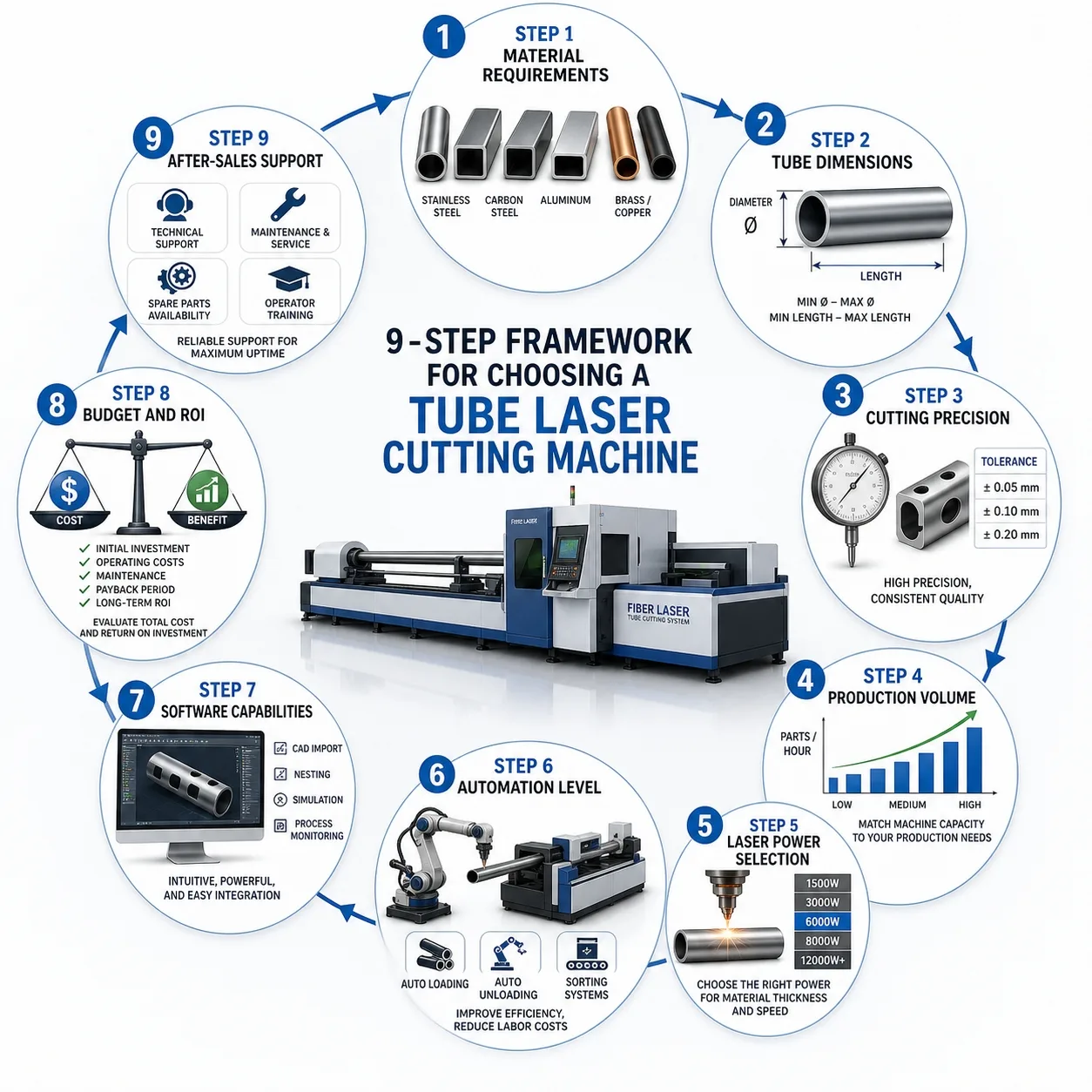
Selecting the right tube laser cutting machine is a critical investment for any manufacturing or processing plant. In an increasingly competitive market, the efficiency, precision, and versatility of your equipment directly impact your productivity and profitability. This comprehensive 9-step framework is designed for plant owners, procurement managers, and engineering supervisors who need to make informed decisions in 2026. We’ll guide you through the essential considerations, from defining tube specifications to evaluating machine configurations, ensuring you choose the best tube laser cutting machine for your specific operational needs.
Step 1: Define Your Tube Specifications
The first and most crucial step in determining how to choose a tube laser cutting machine is to clearly define the specifications of the tubes you intend to process. This foundational understanding will narrow down your options significantly and prevent costly misalignments.
Maximum Tube Diameter Requirements
Consider the largest external diameter of the tubes you will be working with. Machines are designed with specific chuck capacities, so ensure your chosen equipment can accommodate your maximum required diameter. Future growth or potential new projects should also be factored in.
Maximum Tube Length and Feeding System
The length of tubes you process will dictate the necessary machine bed length and the type of feeding system required. Manual loading is suitable for shorter tubes and lower volumes, while automatic feeding systems are essential for long tubes and high-volume production, enhancing efficiency and reducing labor costs.
Tube Wall Thickness Considerations
The material and wall thickness of your tubes are paramount. Thicker walls demand higher laser power and more robust machine components. Understanding the range of thicknesses you’ll encounter (e.g., thin-walled stainless steel versus thick carbon steel) is vital for selecting an appropriate laser source and cutting head.
Step 2: Identify Your Tube Shapes and Profiles
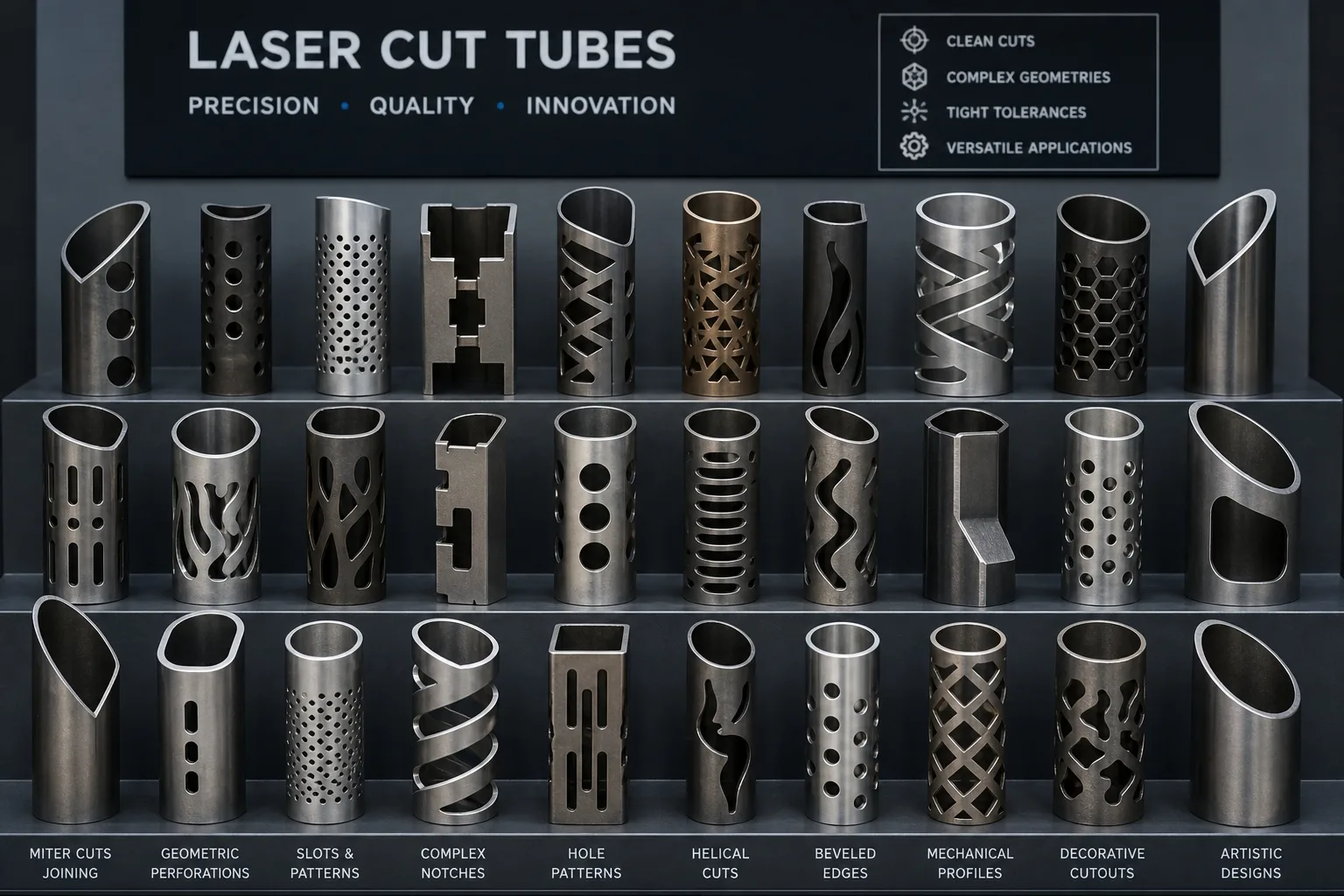
Beyond basic dimensions, the geometric complexity of your tube profiles plays a significant role in your machine selection. A versatile CNC laser tube cutting machine can handle a variety of shapes efficiently.
Standard Shapes: Round, Square, and Rectangular
Most tube laser cutting machines are proficient at cutting standard round, square, and rectangular tubes. If your production primarily involves these shapes, your options will be broader, though precision and speed will still be key differentiators.
Irregular and Complex Profiles
For more complex geometries, such as oval, triangular, or custom-extruded profiles, you’ll need a machine with advanced chucking systems and sophisticated software capabilities to ensure accurate clamping and precise cutting paths.
Open Section Tubes and Special Extrusions
Cutting open sections like channels, I-beams, or custom extrusions requires specialized fixtures and sometimes a unique machine configuration to maintain stability and accuracy during the cutting process. Ensure the machine you select can handle these specific challenges.
Step 3: Determine Your Processing Requirements
What kinds of cuts and operations do you need to perform? This goes beyond simple straight cuts and delves into the functional requirements of your finished components.
Basic Cutting vs. Advanced Operations
Will you only be performing straightforward cuts, or do your parts require intricate patterns, multiple contours, or complex joint preparations? The capabilities of the software and the machine’s axes of motion will determine its suitability for advanced tasks.
Hole Drilling and Punching Needs
Many applications require precise holes or slots. A tube laser cutting machine can perform these operations with high accuracy, often eliminating the need for secondary processes like drilling or punching, which saves time and costs.
Bevel Cutting Capabilities
For welding preparations or specific assembly requirements, bevel cuts are often necessary. Some advanced machines offer bevel cutting capabilities, allowing for angled cuts on tube ends or along the length of the tube, a significant advantage for structural fabrication.
Threading and Tapping Requirements
While less common for laser cutting itself, some integrated systems can perform threading or tapping operations post-cut. If this is a requirement, look for machines that either offer this integration or can be seamlessly incorporated into your existing workflow.
Step 4: Choose Between Fiber Laser Tube Cutting and CO2 Systems
The type of laser source is a fundamental decision when you want to know how to choose a tube laser cutting machine, directly impacting cutting speed, material compatibility, and operating costs.
Fiber Laser Advantages and Applications
Fiber laser tube cutting machines are known for their high efficiency, low maintenance, and ability to cut reflective materials like copper, brass, and aluminum, in addition to steel. They offer faster cutting speeds for thinner to medium-thick materials and consume less energy. They are ideal for high-volume production and a wide range of metal types.
CO2 Laser Use Cases
CO2 lasers excel at cutting thicker materials and can produce a very smooth edge finish, particularly on stainless steel. While generally slower and less energy-efficient than fiber lasers for thin materials, they still have a place in specific applications where edge quality on very thick sections is paramount or for non-metallic materials (though less relevant for tube cutting).
Making the Right Choice for Your Materials
For tube processing in 2026, fiber laser technology is generally the preferred choice due to its versatility, speed, and efficiency across most metals and thicknesses typically used in tube manufacturing. However, a detailed analysis of your specific material mix and thickness range is always recommended.
Step 5: Select the Right Chuck Configuration
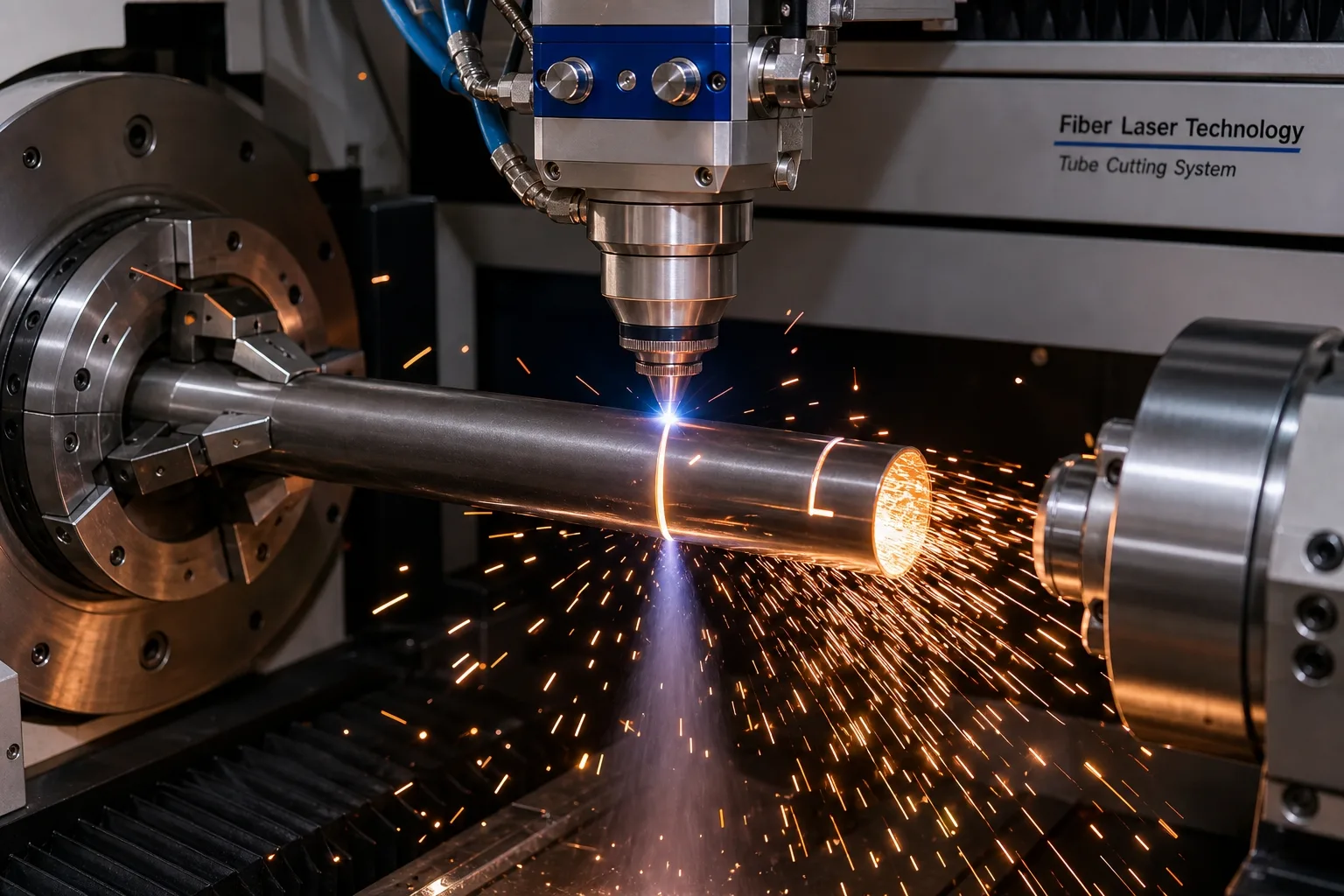
The chuck system is crucial for securely holding and rotating tubes, directly affecting accuracy and material utilization.
2-Chuck Systems: Pros and Cons
A 2-chuck system is standard and suitable for most applications, offering good stability for a wide range of tube lengths. However, it typically leaves a tail waste section, as the last chuck needs some material to grip.
3-Chuck Systems for Zero Tail Waste
For optimizing material usage and minimizing waste, a 3-chuck system is highly advantageous. It allows the third chuck to grip the tube as the second one approaches the cutting head, enabling nearly zero tail waste processing. This can significantly improve material utilization, especially for expensive materials or high-volume production. Chittak offers advanced 3-chuck systems that ensure minimal material loss.
When to Consider 4-Chuck or Custom Configurations
For extremely long tubes, highly unstable profiles, or specialized applications requiring enhanced support and precision, 4-chuck or custom-designed chucking systems might be necessary. These configurations provide additional stability and control.
Step 6: Evaluate Cutting Precision Requirements
The level of precision required for your finished products will guide your choice of machine components and overall build quality.
High-Precision Applications (Medical and Electronics)
Industries like medical device manufacturing or electronics often demand exceptionally tight tolerances and ultra-clean cuts. For these applications, invest in machines with high-quality motion control systems, premium optics, and robust machine beds to ensure repeatable accuracy.
Medium-Thick Material Production
For general industrial applications involving medium-thick materials, a good balance of speed and precision is usually sought. Most modern fiber laser tube cutting machines offer excellent precision for these requirements.
General Metal Tube Processing Standards
Even for general metalworking, consistent accuracy is important. Look for machines with reliable components and a reputation for holding tight tolerances over long operational periods. The best tube laser cutting machine will maintain its precision over thousands of hours of operation.
Step 7: Assess Automation and Material Handling Needs
Automation significantly impacts throughput, labor costs, and operational safety.
Manual vs. Automatic Loading Systems
Manual loading is viable for low-volume or intermittent production. However, for high-volume or long tube processing, an automatic loading system is indispensable. These systems feed tubes directly into the machine, minimizing downtime and human intervention.
Support Systems: Floating and Intelligent Follow
Advanced support systems, such as floating supports or intelligent follow systems, are critical for maintaining the stability of long tubes during cutting, especially for thin-walled profiles. They prevent vibration and sagging, ensuring consistent cut quality.
Unloading and Sorting Capabilities
Consider how finished parts will be unloaded and sorted. Automated unloading systems can deposit cut parts into bins or onto conveyor belts, further streamlining the production process. For complex parts, robotic sorting might be an option.
Step 8: Review Software and Control System Features
The machine’s software and control system are its brain, dictating ease of use, programming efficiency, and overall operational intelligence.
CAD/CAM Integration and File Format Support
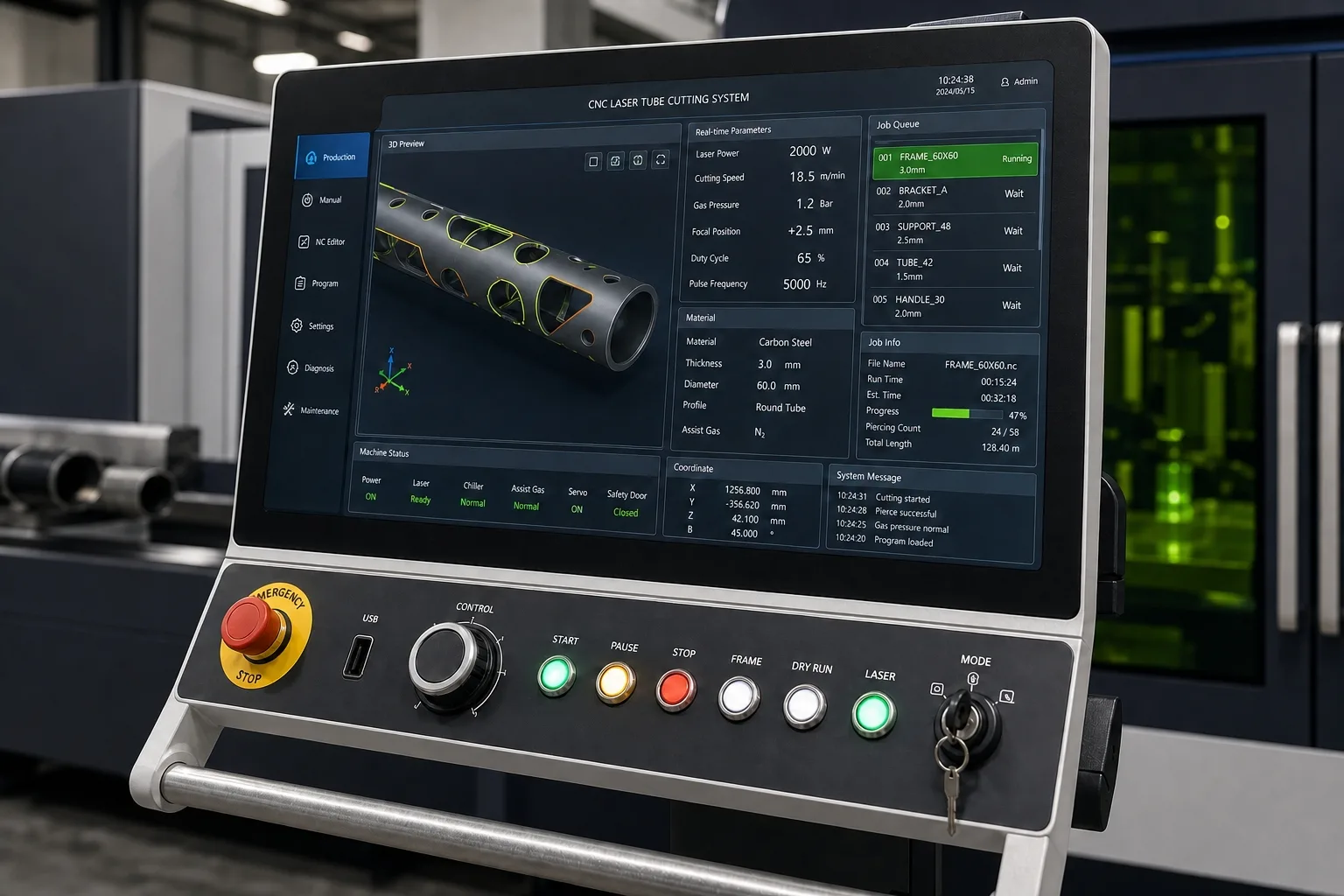
Ensure the machine’s control system can seamlessly integrate with your existing CAD/CAM software. It should support common file formats (e.g., DXF, DWG, STEP) for smooth data transfer and programming. This is crucial for efficient CNC laser tube cutting.
Automatic Nesting and Path Optimization
Advanced software features like automatic nesting can significantly reduce material waste by optimally arranging multiple parts on a single tube. Path optimization algorithms minimize cutting time and maximize efficiency.
Real-Time Monitoring and Diagnostics
A robust control system will offer real-time monitoring of cutting parameters, machine status, and error diagnostics. This helps in troubleshooting, predictive maintenance, and ensuring consistent performance. Chittak machines come equipped with user-friendly, powerful control systems.
Step 9: Consider Machine Configuration and Core Components
The quality of a tube laser cutting machine price is often reflected in its core components. Investigate the reputation and reliability of these elements.
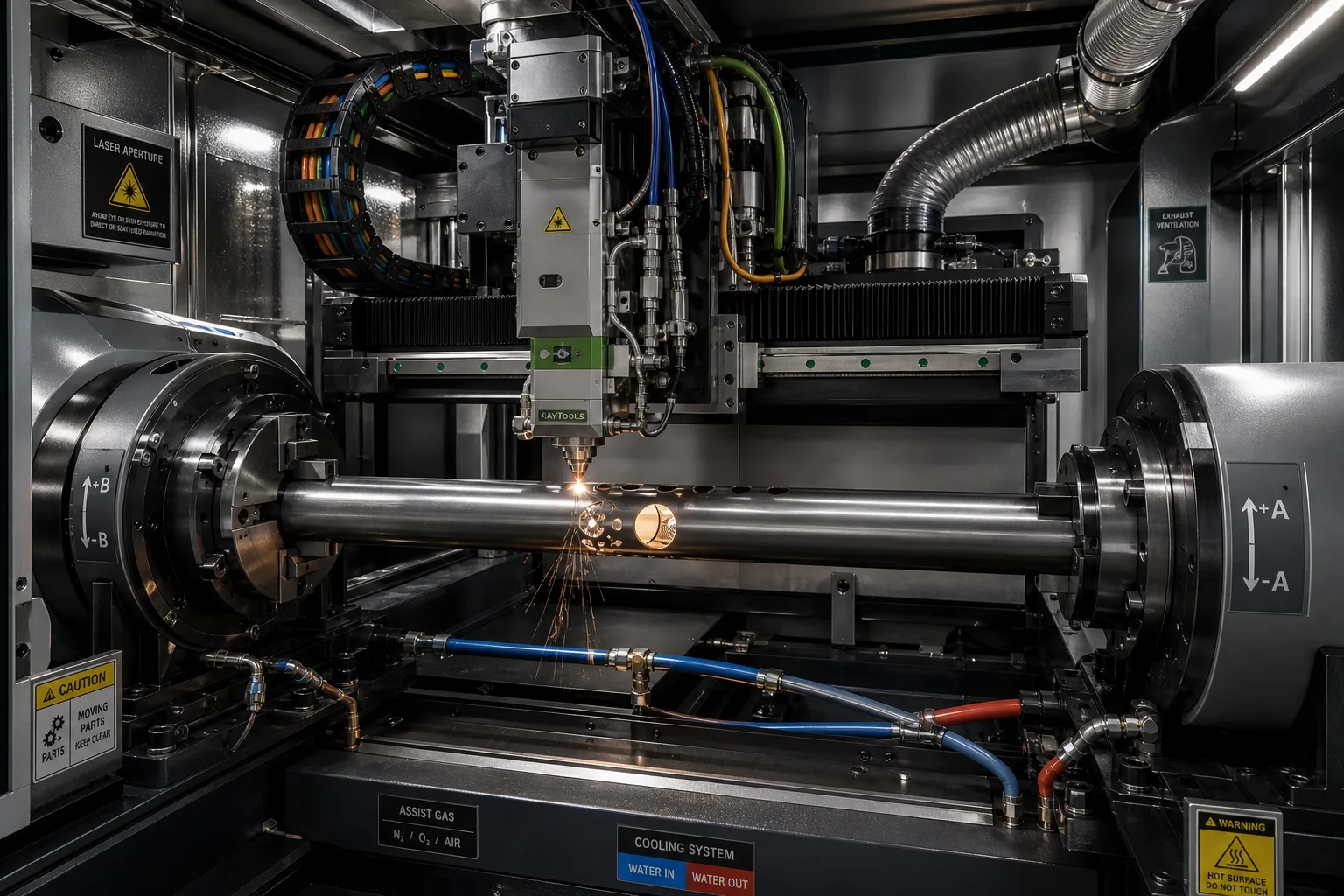
Laser Source Brand and Power Selection
The laser source is the heart of the machine. Reputable brands offer superior performance, longevity, and service. Select a power level that matches your material thickness requirements, with a bit of headroom for future needs.
CNC Laser Tube Cutting Head and Optics
The cutting head and its optics are critical for focusing the laser beam and achieving precise cuts. Look for high-quality components that are durable and easy to maintain.
Machine Bed Rigidity and Build Quality
A rigid and stable machine bed is fundamental for maintaining accuracy, especially during high-speed operations. Investigate the machine’s construction, materials, and overall build quality.
Auxiliary Systems: Cooling and Gas Supply
Don’t overlook the importance of auxiliary systems. An efficient cooling system is vital for laser source longevity, and a reliable gas supply system ensures optimal cutting conditions.
Conclusion
Choosing a tube laser cutting machine is a strategic decision that requires careful consideration of numerous factors. By following this 9-step framework, from defining tube specifications to evaluating core components, you can confidently select an investment that aligns with your operational goals and delivers long-term value. Remember that the best tube laser cutting machine for your plant is one that meets your specific needs for precision, speed, versatility, and efficiency, all while fitting within your budget. Brands like Chittak are dedicated to providing advanced fiber laser tube cutting solutions tailored to the diverse needs of modern manufacturing.
FAQ
Q1: What is the most critical factor when considering how to choose a tube laser cutting machine?
A1: The most critical factor is defining your specific tube specifications and processing requirements. This includes tube diameter, length, wall thickness, and the types of cuts you need to perform.
Q2: Are fiber laser tube cutting machines always better than CO2 systems?
A2: For most metal tube cutting applications in 2026, fiber lasers offer significant advantages in speed, efficiency, and versatility across various metals and thicknesses. However, CO2 lasers may still be preferred for extremely thick materials or specific edge finish requirements.
Q3: How does a 3-chuck system help with material waste?
A3: A 3-chuck system allows for nearly zero tail waste processing by having the third chuck grip the tube as the second one moves toward the cutting head. This maximizes material utilization and reduces scrap, especially valuable for expensive materials.
Q4: Why is software integration important for CNC laser tube cutting?
A4: Seamless CAD/CAM integration and support for common file formats are crucial for efficient programming, automatic nesting, and path optimization. This streamlines your workflow, reduces setup time, and improves overall productivity.
Q5: What should I look for in terms of machine build quality?
A5: Look for a machine with a rigid and stable bed, high-quality laser source, durable cutting head and optics, and reliable auxiliary systems (cooling, gas supply). These components contribute to precision, longevity, and consistent performance.
